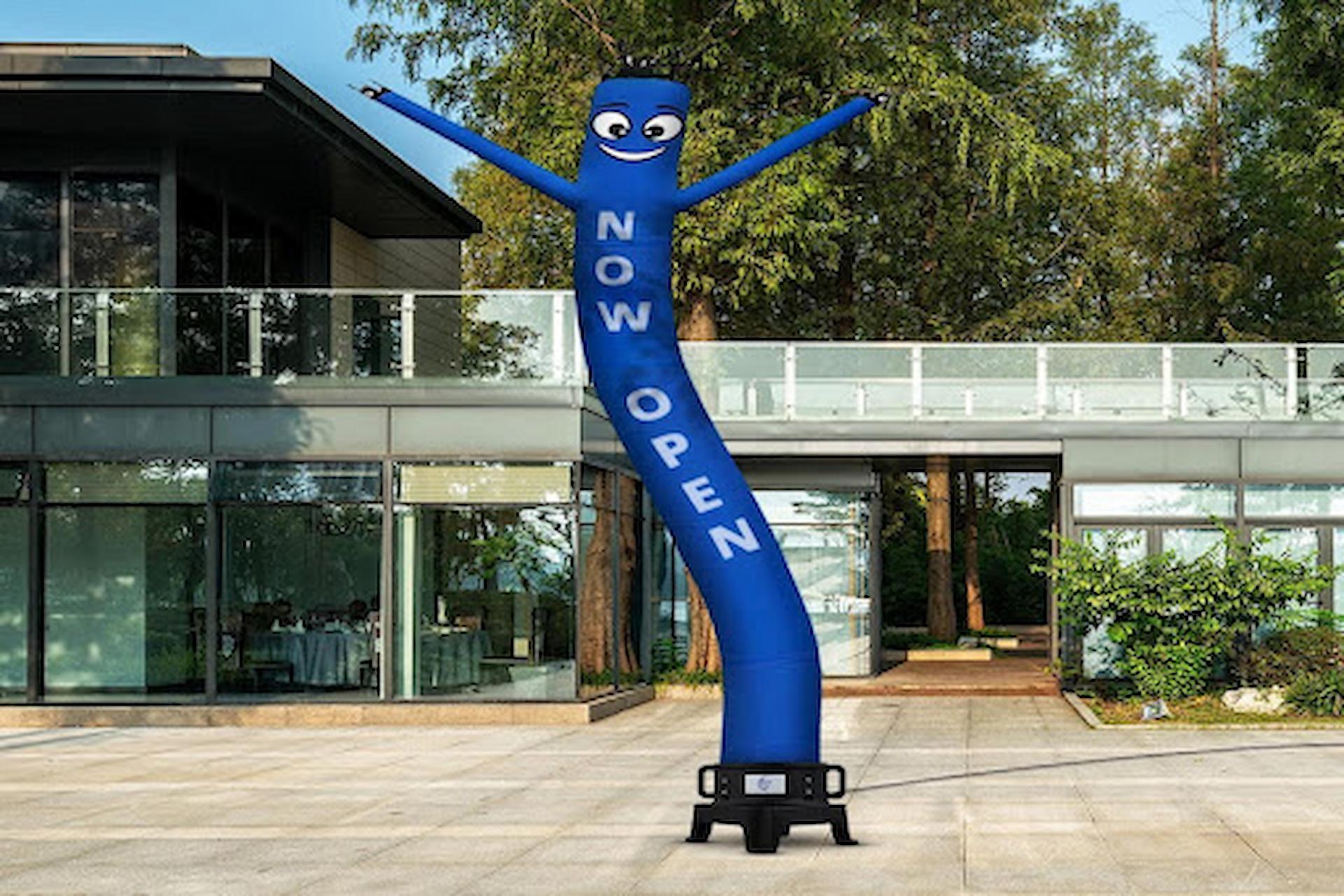
Inflatable advertising isn’t just eye-catching, it’s psychological. From giant balloons to custom characters, these dynamic displays evoke emotions, spark curiosity, and foster brand recall. Discover how businesses use visual psychology, colour, and movement to captivate audiences and transform Inflatable Advertising into a powerful tool for modern brand engagement.
Advertising has always been about capturing attention, keeping it, and converting it into action. In a world saturated with digital noise and visual clutter, brands are turning to creative, larger-than-life solutions, such as Inflatable Advertising, to stand out. These vibrant, dynamic displays aren’t just fun; they’re rooted in deep psychological principles that influence perception, emotion, and memory.
The Power of Visual Attraction
Humans are wired to respond to movement, colour, and scale, three characteristics that inflatable displays masterfully combine. The sheer size and fluid motion of an inflatable instantly trigger our brain’s attention systems, making it nearly impossible to ignore. Whether it’s a giant arch at an event or a floating product replica, inflatables create instant visibility that static signage cannot match.
- Colour Psychology: Bright colours evoke emotions, red stimulates excitement, yellow sparks optimism, and blue conveys trust.
- Movement: Gentle swaying or rotating inflatables attract attention by mimicking living movement.
- Scale: Oversized displays create a sense of awe, making brands appear larger and more memorable.
This triad of visual triggers ensures that inflatable marketing doesn’t just capture attention, it holds it long enough for the message to be fully registered.
Emotional Connection: The Secret Ingredient
Advertising success depends not only on visibility but also on emotional impact. Inflatable Advertising works because it feels approachable, lighthearted, and human. People associate inflatables with celebrations, festivals, and childhood memories — moments of happiness that brands can tap into.
The emotional connection builds brand warmth and trust. When audiences smile at a playful inflatable character or a branded balloon floating overhead, they subconsciously transfer those positive emotions to the brand itself. This process, known as affective conditioning, helps marketers create a friendly and memorable brand image.
The Psychology of Familiarity and Repetition
In psychology, the mere exposure effect explains why we tend to prefer things we see repeatedly. Inflatable displays exploit this by creating a memorable visual cue that can be reused at multiple events, storefronts, or exhibitions. Each exposure reinforces familiarity, which over time builds preference and trust.
By maintaining consistent colours, mascots, or shapes across campaigns, companies create a unified visual identity. This consistency helps audiences quickly recognise and recall the brand, especially in crowded environments.
Creating Brand Identity Through Design
The design of an inflatable says as much about a brand as its logo or slogan. The psychology behind effective inflatable design focuses on five key principles:
- Simplicity: Clean shapes and limited text make a message easy to grasp in seconds.
- Contrast: High contrast ensures visibility even from a distance.
- Proportion: Balanced dimensions prevent distortion, maintaining the design’s aesthetic appeal.
- Symbolism: Shapes and colours communicate meaning, for example, green suggests sustainability, while gold represents luxury.
- Novelty: Unique designs trigger curiosity, increasing engagement and social sharing.
Brands that understand these design principles can transform inflatables into powerful storytelling tools that effectively communicate their purpose and personality.
The Science of Attention and Memory
Cognitive psychology reveals that our brains prioritise novelty and emotional relevance when processing information. Inflatable advertising combines both; it’s unusual enough to capture attention and emotionally positive sufficient to stick in memory.
Moreover, inflatables often serve as landmarks in physical spaces. Whether positioned at a trade show entrance or along a busy road, they help anchor the location in people’s minds. This mental mapping makes the brand easier to recall later, strengthening long-term recognition.
Why Inflatable Advertising Outperforms Static Media
Compared with billboards or posters, inflatables engage multiple senses — sight, motion, and even sound when combined with air movement or music. This multisensory engagement enhances memory encoding, increasing the likelihood that audiences will remember both the brand and its message.
Key advantages include:
- Dynamic Visibility: Movement naturally draws the eye, outperforming static signage.
- Emotional Appeal: Soft shapes and bright colours convey approachability.
- Reusability: Durable materials allow long-term use at multiple events.
- Portability: Easy setup enables brands to reach different audiences effortlessly.
- Social Media Potential: Eye-catching designs encourage sharing, amplifying exposure organically.
These advantages explain why marketers are increasingly incorporating inflatables into their experiential and outdoor advertising strategies.
The Subconscious Power of Playfulness
Playfulness plays a decisive psychological role in marketing. It lowers defences, promotes positive emotions, and encourages participation. Inflatable mascots and interactive installations invite people to take photos, engage, and share experiences.
By introducing play into marketing environments, brands can create micro-moments of joy —small, yet powerful interactions that foster emotional attachment. Playful engagement also makes brand encounters more memorable than transactional advertising.
Using Colour and Motion Strategically
Strategic colour and motion choices amplify psychological impact. Here’s how brands use them effectively:
- Warm tones (red, orange, yellow): Stimulate excitement and enthusiasm.
- Cool tones (blue, green): Promote calmness and trust.
- Motion patterns: Swaying or rotating inflatables maintain attention without overwhelming viewers.
- Lighting effects: Nighttime illumination enhances visibility and creates spectacle.
Understanding how colour and motion interact with human perception helps businesses optimise their inflatable campaigns for maximum visibility and emotional effect.
Incorporating Inflatable Advertising Into Brand Strategy
Integrating inflatables into broader marketing plans requires strategic thinking and planning. To ensure success, brands should:
- Define Clear Objectives: Whether increasing foot traffic, boosting awareness, or promoting a launch, align inflatable use with specific goals.
- Choose Locations Wisely: Position inflatables where they maximise visibility, such as at event entrances, rooftops, or high-traffic roads.
- Maintain Brand Consistency: Match colours, shapes, and typography with existing brand elements.
- Ensure Durability and Safety: Use high-quality materials and secure installation for long-term reliability.
- Leverage Digital Amplification: Encourage visitors to share photos and tag your brand on social media.
When done correctly, inflatables become not just displays but strategic assets that support integrated brand storytelling.
The Future of Inflatable Marketing
As technology evolves, so does inflatable advertising. Interactive inflatables equipped with LED lights, motion sensors, and custom animations are redefining outdoor engagement. Augmented reality (AR) campaigns may soon allow people to interact virtually with inflatables through their smartphones, merging physical and digital experiences.
Sustainability is also shaping the future. Brands are increasingly opting for eco-friendly materials and energy-efficient blowers to minimise their environmental impact while maintaining visibility. The blend of innovation and responsibility ensures that inflatables remain both effective and ethical marketing tools.
In Summary
At its core, Inflatable Advertising is about more than visibility; it’s about connection. These colourful, dynamic structures appeal to fundamental aspects of human psychology: curiosity, emotion, and joy. By blending visual science with creativity, inflatables turn ordinary brand moments into memorable experiences.
In a world competing for attention, the brands that understand the psychology behind engagement will always stand tallest, just like their inflatables.