The truth is, the air inside our homes can sometimes be more polluted than the air outside. From dust and pet dander to invisible chemicals and poor ventilation, these factors quietly affect your health and overall well-being.
Creating a fresher, healthier home atmosphere is not about drastic changes. It is about making smart, consistent choices that help improve your indoor air quality and turn your living space into a place where you can truly relax and breathe easy.
Understand What Affects Your Indoor Environment
A healthy home starts with awareness. Many common household elements contribute to poor air quality without being obvious. Everyday activities like cooking, cleaning, and even using certain furniture or paints can release pollutants into the air.
Modern homes are often tightly sealed for energy efficiency, but this also means less natural airflow. As a result, pollutants can accumulate over time. Identifying these hidden sources is the first step toward creating a cleaner environment and taking control of your indoor space.
Improve Ventilation for Continuous Fresh Air
One of the simplest yet most effective ways to refresh your home is by improving ventilation. Fresh air circulation helps remove stale air and reduces the concentration of indoor pollutants.
Opening windows regularly, even for short periods, can make a noticeable difference. Using exhaust fans in kitchens and bathrooms helps push out moisture and odors, preventing mold growth and humidity buildup. Cross-ventilation, where air flows from one side of the house to the other, is especially effective in maintaining a balanced indoor atmosphere.
When ventilation becomes a habit, you naturally improve your indoor air quality without relying on complex systems.
Choose Air-Purifying Plants Thoughtfully
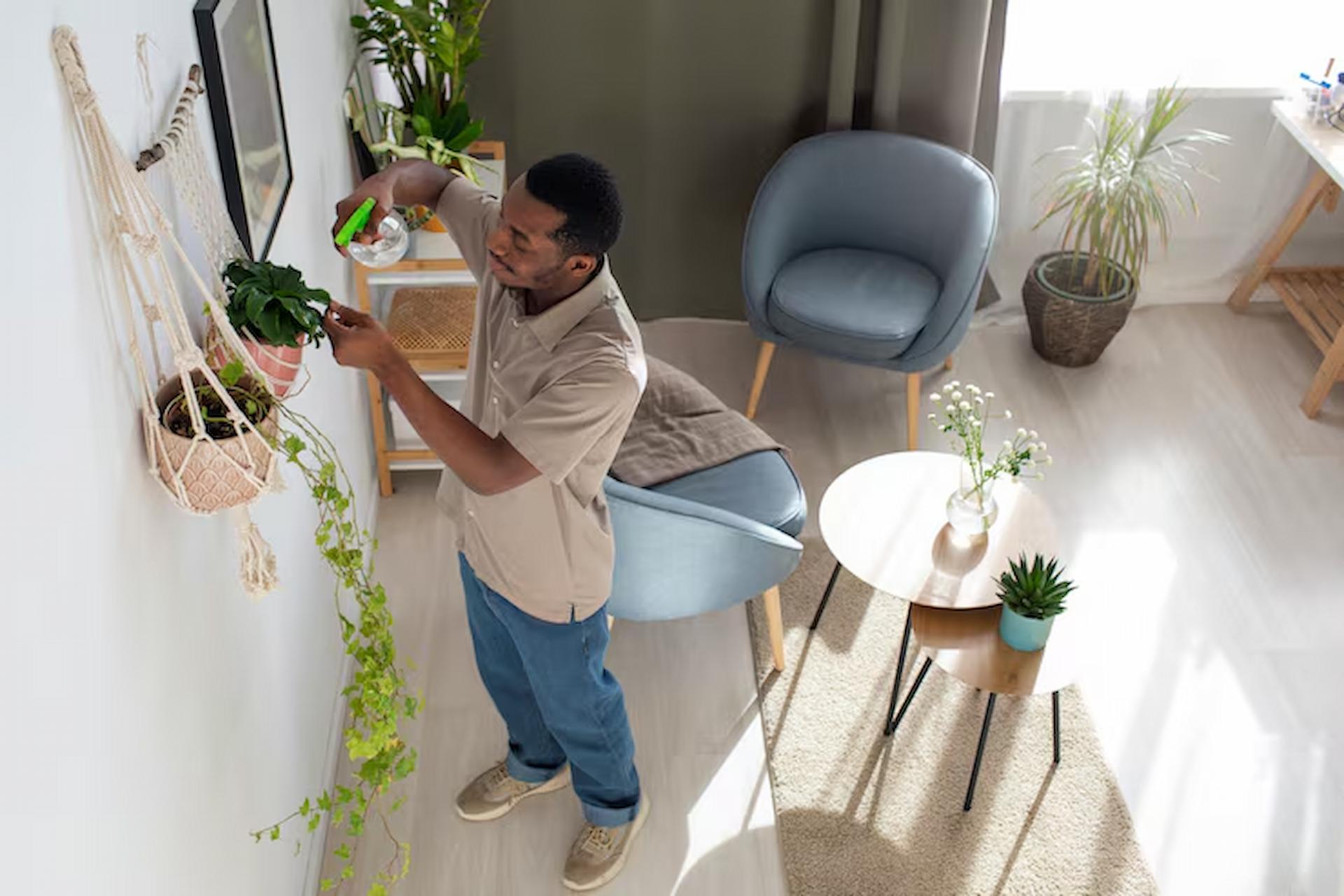
Indoor plants do more than enhance aesthetics. Certain varieties can help filter toxins and bring a sense of calm to your space. While they are not a complete solution, they contribute to a healthier environment when combined with other strategies.
Plants like snake plants, peace lilies, and spider plants are known for their resilience and air-purifying qualities. They also add a natural touch that makes your home feel more inviting and alive.
However, it is important to maintain them properly. Overwatering or neglect can lead to mold or pests, which defeats their purpose.
Keep Dust and Allergens Under Control
Dust may seem harmless, but it often carries allergens that can trigger respiratory issues. Regular cleaning plays a key role in maintaining a healthy home atmosphere.
Vacuuming carpets, rugs, and upholstery with a high-efficiency filter helps capture fine particles that are otherwise released back into the air. Washing bedding and curtains frequently reduces the buildup of allergens. Even small habits, like removing shoes before entering your home, can significantly reduce the amount of dirt and pollutants indoors.
Consistency in cleaning routines ensures that your efforts to improve your indoor air quality remain effective over time.
Be Mindful of Household Products
Many cleaning products and air fresheners contain chemicals that can negatively impact indoor air. While they may create a temporary sense of freshness, they often introduce volatile organic compounds that linger in the environment.
Switching to natural or low-toxicity alternatives is a smart move. Products made with simple ingredients like vinegar, baking soda, or plant-based solutions can clean effectively without compromising air quality.
Being selective about what you bring into your home helps create a safer and more balanced living space.
Manage Humidity for Better Comfort
Humidity levels play a crucial role in how your home feels and how healthy it is. Excess moisture can lead to mold growth, while overly dry air can cause irritation to the skin and respiratory system.
Using a dehumidifier in damp areas and ensuring proper airflow can prevent moisture-related issues. In drier climates or seasons, a humidifier can help maintain comfort. The goal is to keep humidity levels balanced, typically between 30 and 50 percent.
When humidity is well-managed, your home becomes more comfortable and supportive of overall health.
Invest in Air Filtration Solutions
For those looking to take a more proactive approach, air purifiers and advanced filtration systems can provide an added layer of protection. High-quality filters capture fine particles, allergens, and even certain bacteria, making the air cleaner and safer to breathe.
Regularly replacing HVAC filters is equally important. A clogged or outdated filter can reduce efficiency and allow pollutants to circulate throughout your home.
Combining technology with daily habits creates a comprehensive approach to maintaining a fresh indoor atmosphere.
Create Habits That Support Long-Term Wellness
A healthier home is not achieved overnight. It is built through small, consistent actions that become part of your daily routine. Simple practices like keeping windows open when possible, maintaining cleanliness, and choosing safer products all contribute to lasting results.
Over time, these habits not only improve your indoor air quality but also enhance your overall lifestyle. You begin to notice better sleep, improved focus, and a greater sense of comfort within your own space.
In Conclusion
A fresher and healthier home atmosphere is within reach when you focus on practical, sustainable changes. By improving ventilation, managing humidity, choosing cleaner products, and maintaining consistent habits, you create an environment that supports both physical health and mental well-being.
Every step you take to improve your indoor air quality brings you closer to a home that truly feels like a sanctuary. Start small, stay consistent, and enjoy the difference it makes in your everyday life.