Indoor air quality can affect comfort, sleep and general wellbeing, particularly when dust, pollen, pet dander or other airborne particles accumulate inside a property. Everyday activities such as cooking, cleaning and using household products can also introduce particles or gases into the air. While regular cleaning helps, it may not remove every airborne contaminant, especially in rooms that receive limited ventilation.
For homeowners considering whole-home air purifier installation in Houston, TX, choosing a suitable system involves understanding the types of pollutants present and how air moves through the property. Houston’s humid climate can also make moisture control an important part of maintaining a healthy indoor environment. An effective approach combines appropriate air-cleaning equipment with ventilation, filtration and measures that address pollution at its source.
Understanding Common Indoor Air Pollutants
Indoor air contains a mixture of particles and gases from both indoor and outdoor sources. Dust, pollen, mould spores and pet dander are common examples of airborne particles that may affect sensitive occupants. Cooking fumes, smoke and some household cleaning products can release additional pollutants. Their concentration varies according to the building, activities taking place inside and the amount of outdoor air entering the property.
Humidity is another consideration, although an air purifier is not a substitute for moisture control. Excess moisture can encourage mould growth, particularly in areas with leaks, condensation or inadequate ventilation. Homeowners should investigate persistent dampness and resolve its cause rather than relying on an air-cleaning device alone. Identifying the main indoor air concerns makes it easier to choose suitable improvements.
How Whole-Home Air Purifiers Work
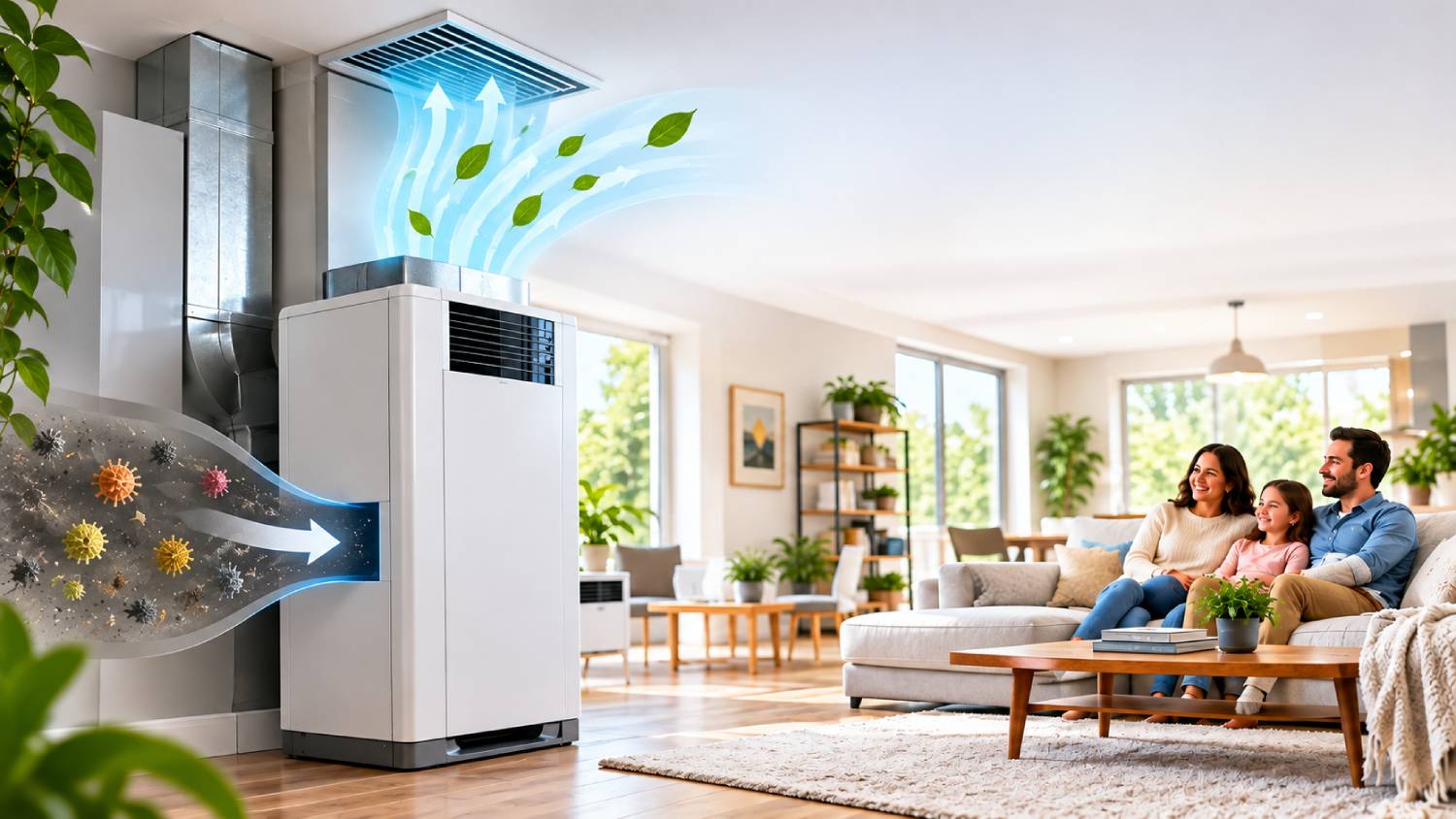
A whole-home air purifier is designed to treat air across a property, commonly by connecting to a central heating and cooling system. As the system circulates air through its ductwork, the purifier or enhanced filtration equipment captures selected airborne particles. The effectiveness depends on the technology used, the filter’s performance, airflow and whether the equipment is compatible with the existing HVAC system.
Unlike a portable unit that treats the air in a particular room, a whole-home system can support air cleaning throughout connected living spaces. However, it cannot guarantee the removal of every pollutant, and performance varies between products. When evaluating whole-home air purifier installation in Houston, TX, homeowners should ask which contaminants the proposed equipment is designed to address and what maintenance it requires.
Choosing the Right Air-Cleaning Technology
Different purification technologies serve different purposes, so the best choice depends on the property’s needs. High-efficiency particle filters can capture many airborne particles, including pollen, dust and some mould spores, when correctly selected and installed. However, particle filters do not necessarily remove gases or odours. Activated carbon filters may help reduce certain gaseous pollutants, depending on their design and the amount of carbon used.
Before selecting a system, consider these factors:
- Filter performance: Check which particle sizes and pollutant types the equipment is designed to capture.
- Airflow compatibility: Ensure the purifier will work with the existing HVAC system without restricting airflow excessively.
- Maintenance needs: Review filter replacement intervals, cleaning requirements and ongoing costs.
- Safety: Avoid ozone-generating air cleaners, as ozone can irritate the lungs and harm indoor air quality.
Why Professional Installation Matters
A whole-home purifier needs to suit the property’s heating and cooling equipment, ductwork and airflow requirements. Incorrect sizing or installation may reduce performance or place unnecessary strain on the HVAC system. A professional assessment can establish whether the existing system can accommodate the chosen technology and whether ductwork, filter housing or other components require adjustments.
During the installation process, the contractor should explain how the equipment operates, how to access its filters and when maintenance is required. Homeowners should also ask whether the system has any specific operating conditions or limitations. A clear explanation of these details helps ensure the equipment is used correctly after installation and makes it easier to recognise when servicing is needed.
Supporting Better Indoor Air Quality Every Day
An air purifier works best as part of a broader indoor air quality strategy. Reducing pollution at its source can limit the amount of material entering the air in the first place. Use kitchen and bathroom exhaust fans where appropriate, keep living areas clean and follow product instructions when using cleaning chemicals. Where outdoor conditions allow, suitable ventilation can also help dilute indoor pollutants.
Regular maintenance is equally important. Replace HVAC filters according to the manufacturer’s recommendations and arrange servicing when necessary. Repair plumbing leaks promptly, address condensation and maintain indoor humidity at an appropriate level. If occupants continue to experience concerns about indoor air quality, consider whether the problem involves ventilation, moisture, combustion sources or other issues that a purifier alone cannot resolve.
The Final Word
Whole-home air purifiers can help reduce selected airborne pollutants across a property when the equipment is suitable for the HVAC system and correctly maintained. Choosing the right technology requires an understanding of the pollutants involved, the system’s filtration capabilities, airflow requirements and ongoing maintenance needs.
For lasting improvements, combine appropriate air cleaning with source control, good ventilation and moisture management. Before purchasing equipment, seek a professional assessment and ask clear questions about performance, compatibility and upkeep. These steps can help homeowners make informed decisions and create a more comfortable indoor environment.