Independent shops play an important role in shaping the character of Britain’s high streets. However, attracting customers requires more than offering quality products. A welcoming exterior, comfortable shopping environment and thoughtful presentation can encourage people to step inside and explore what a business has to offer.
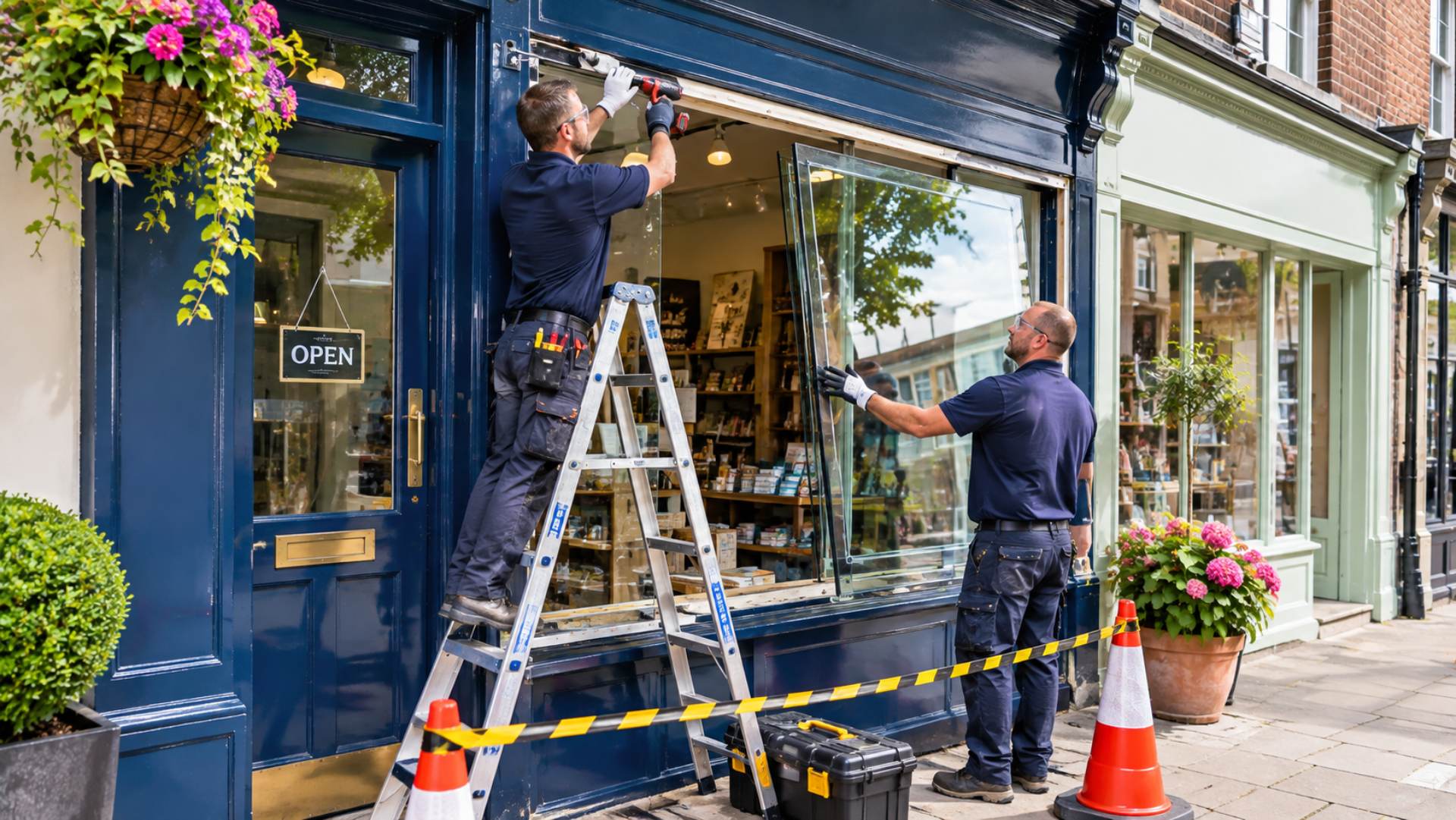
Maintaining the physical appearance of a shop is an essential starting point. Investing in shop front repairs can help address damaged glazing, deteriorating frames and other visible defects that affect customer perceptions. Combined with smaller decorative and practical improvements, regular maintenance can create a more appealing retail environment without requiring extensive refurbishment.
Create a Strong First Impression
The exterior of a shop is often the first point of contact between a business and a potential customer. Peeling paint, dirty windows, faded signage and damaged doorways can make even a well-established business appear neglected.
Regularly cleaning windows, repainting exterior woodwork and removing outdated promotional materials can make a noticeable difference. Shop owners should also inspect door handles, window frames and entrance areas for signs of deterioration.
Choosing complementary colours and maintaining a consistent visual identity can help a shop stand out while respecting the architectural character of the high street.
Make Window Displays More Engaging
Window displays give independent retailers an opportunity to communicate their identity and showcase their products. An overcrowded display can overwhelm passers-by, while an empty or poorly maintained window may attract little attention.
Focus on a carefully selected range of products, supported by simple decorative elements and clear pricing. Seasonal displays can introduce variety and give returning customers something new to notice.
Retailers should also consider how their displays appear from different angles and distances. Clean glazing, balanced arrangements and suitable lighting can improve product visibility throughout the day.
Improve Accessibility and Customer Comfort
An inviting shop should be accessible to customers with different mobility and physical needs. Narrow entrances, heavy doors, uneven flooring and cluttered walkways can create unnecessary barriers.
Business owners should review their premises from a customer’s perspective. Practical accessibility improvements may include clearer entrance signage, better door mechanisms and more space between display units.
Where appropriate, providing seating can also make browsing more comfortable. Any structural accessibility improvements should be discussed with a qualified professional to ensure suitability and compliance with applicable requirements.
Use Lighting to Create a Welcoming Atmosphere
Lighting influences how customers experience a retail space. Dim interiors can make products difficult to see, while excessively bright lighting may create an uncomfortable environment.
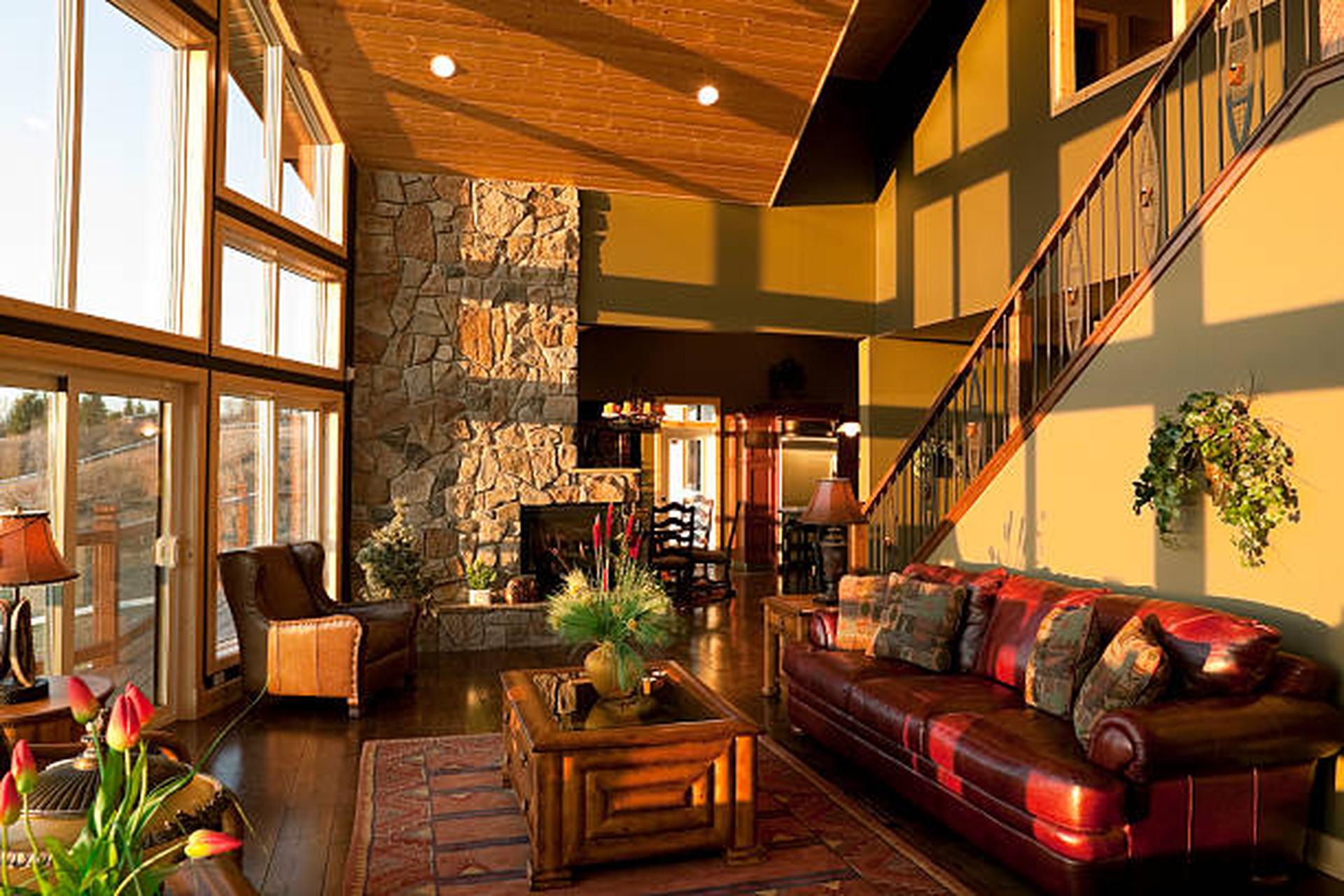
A combination of general lighting and focused display lighting can improve visibility and highlight important products. Making better use of natural daylight can also help interiors feel brighter and more open.
Shop owners should regularly check exterior lights, replace faulty bulbs and ensure entrances remain well illuminated during darker evenings.
Prioritise Shop Front Maintenance and Safety
Damaged windows and doors affect more than appearance. Cracked glass, unstable glazing and deteriorating fittings may present safety concerns for employees, customers and pedestrians.
Arranging professional shop front repairs can help retailers address glazing damage before it creates further problems. Where immediate glass replacement is not possible, temporary boarding may be necessary to protect the premises.
Business owners should seek professional advice when selecting replacement glazing, considering safety, security, visibility and compatibility with existing frames. Damaged commercial glazing should never be treated as a purely cosmetic issue.
Small Improvements That Make a Noticeable Difference
Independent retailers do not necessarily need a large refurbishment budget to improve their premises. Consistent attention to everyday details can help create a positive shopping experience.
Consider the following practical improvements:
- Refresh exterior signage: Replace faded lettering and ensure business names remain easy to read.
- Keep entrances tidy: Remove litter, dirt and unnecessary obstructions from doorways.
- Display opening hours clearly: Provide accurate information that customers can easily see.
- Introduce suitable greenery: Use well-maintained plants where they do not obstruct pedestrian access.
- Update promotional materials: Remove expired offers and damaged posters.
- Improve interior organisation: Arrange products logically and maintain clear walking routes.
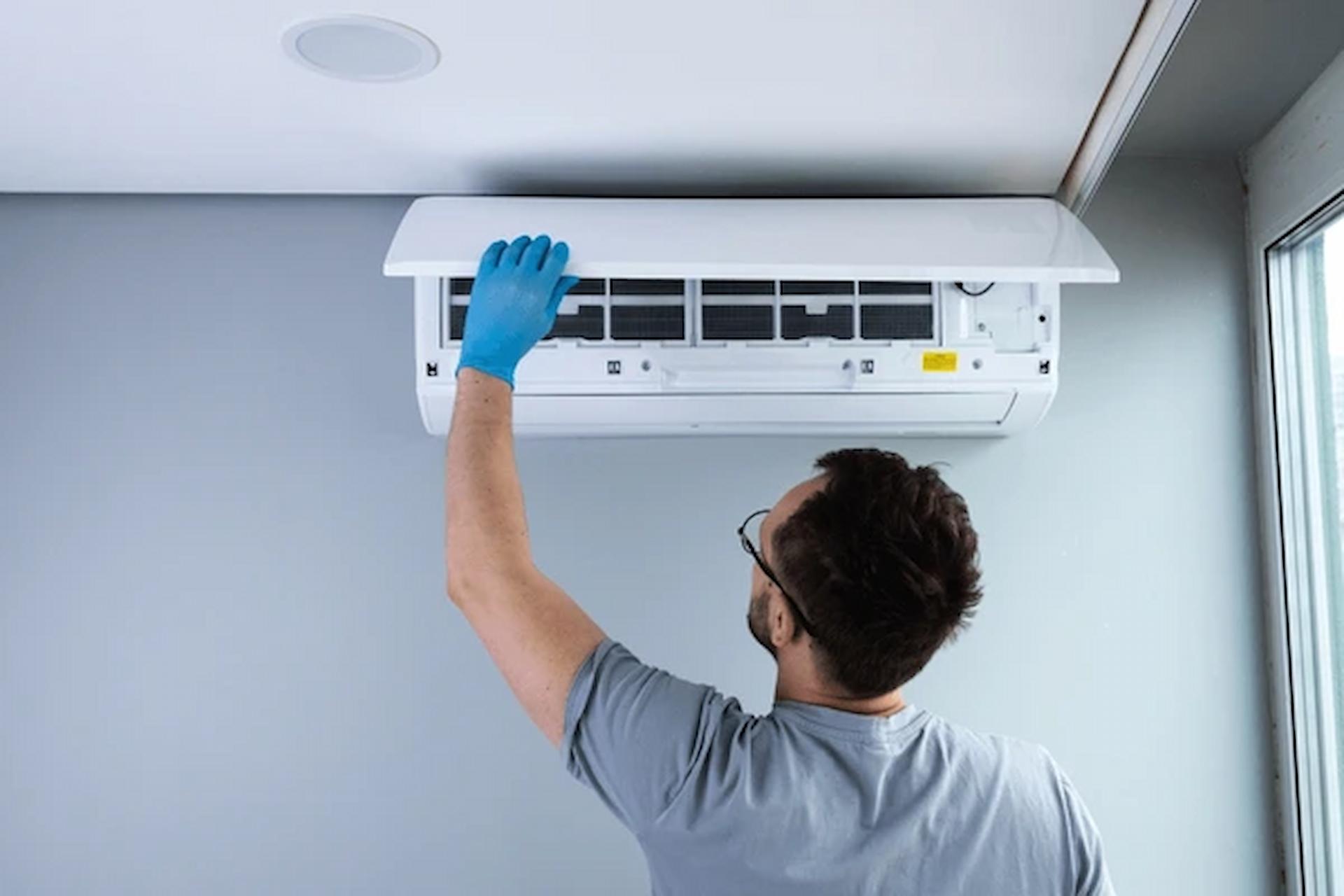
- Maintain comfortable temperatures: Create a pleasant indoor environment throughout the year.
These improvements are most effective when incorporated into a regular maintenance routine rather than treated as occasional tasks.
Preserve the Individual Character of Independent Shops
One of the strengths of independent retail is its variety. Shops with distinctive designs, carefully presented products and personal touches contribute to a more interesting high street.
Retailers should avoid unnecessary alterations that remove attractive original features. Traditional signage, decorative architectural details and original window frames may contribute to the identity of a building.
Before undertaking significant exterior changes, shop owners should check lease conditions, planning requirements and any conservation area restrictions. Professional guidance can help balance modern retail needs with the character of older commercial buildings.
Strengthen Connections with the Local Community
A welcoming high street depends on the collective efforts of local businesses. Independent retailers can work together to improve shared spaces, coordinate seasonal decorations and support community activities.
Displaying information about local events and supporting neighbouring businesses can strengthen relationships within the area.
Shop owners should also listen to customer feedback about accessibility, product presentation and overall comfort. Understanding what visitors appreciate or find inconvenient can help businesses make better decisions about future improvements.
Establish a Regular Maintenance Routine
Preventative maintenance can help independent retailers manage property problems before they become more disruptive. Regular inspections should cover glazing, doors, signage, lighting, flooring and exterior finishes.
Keeping a record of maintenance requirements allows business owners to prioritise essential work and plan expenditure more effectively.
Retailers should distinguish between decorative improvements and urgent safety concerns. Broken glass, unstable fittings and damaged entrances require prompt attention, while routine cosmetic improvements can be scheduled according to available budgets.
What to Remember
Reviving the high street begins with consistent improvements that make independent shops safer, more accessible and visually appealing. Attractive displays, suitable lighting, thoughtful layouts and timely shop front repairs can contribute to a more welcoming retail environment.
Business owners should prioritise essential maintenance, review customer feedback and introduce affordable improvements gradually. A well-maintained shop benefits both individual retailers and the wider character of the local high street.