


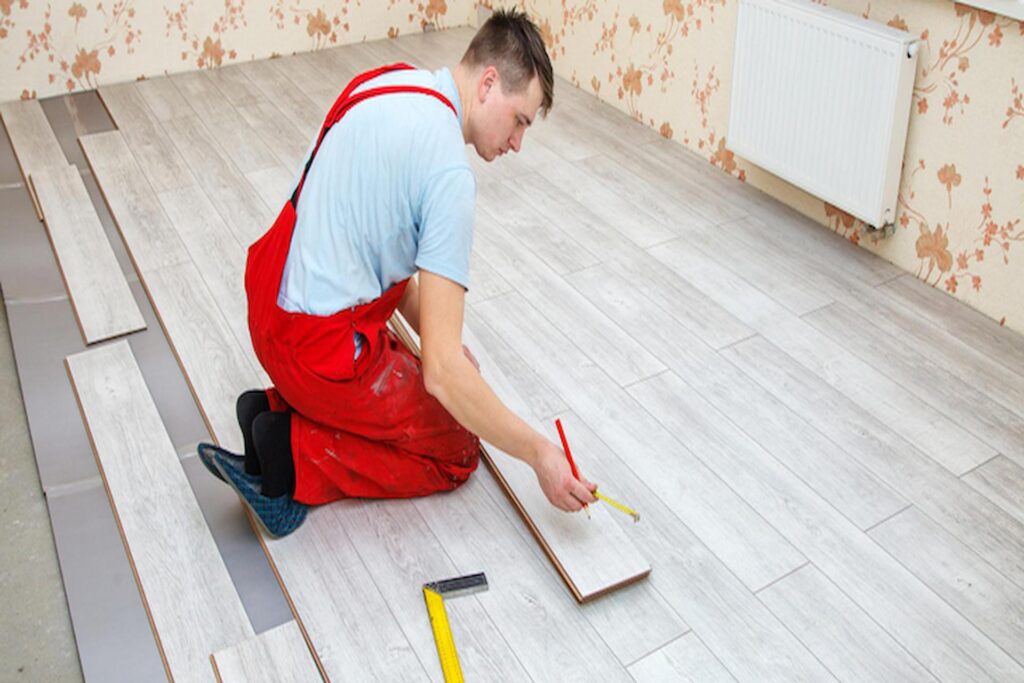
Few home improvement decisions have a bigger impact than flooring. The right floor changes how a room looks, feels, and functions every day. It affects comfort underfoot, maintenance requirements, durability, and even the value of your property. With so many flooring materials available, choosing the best option can feel overwhelming.
The good news is that selecting the right flooring becomes much easier when you understand the strengths and limitations of each material. Whether you are renovating a single room or updating your entire home, this flooring installation guide will help you make informed choices that suit your lifestyle, budget, and long-term goals.
Understanding the Main Flooring Options
Every flooring material offers a different balance of appearance, durability, comfort, and maintenance. Understanding these differences is the first step toward making a confident decision.
Hardwood Flooring
- Timeless and elegant appearance
- Excellent durability when properly maintained
- Strong resale value for homeowners
- Can be refinished multiple times
- May last for decades
- Sensitive to moisture and humidity
- Not ideal for bathrooms, laundry rooms, or basements
Engineered Wood Flooring
- Offers the look of traditional hardwood
- Better stability in changing humidity conditions
- Layered construction reduces expansion and contraction
- Suitable for a wider range of rooms
- Provides a genuine wood surface
- Often more moisture-resistant than solid hardwood
Luxury Vinyl Plank (LVP) Flooring
- Mimics the appearance of wood or stone
- Highly water-resistant
- Comfortable underfoot
- Easy to clean and maintain
- Usually more affordable than natural materials
- Popular for kitchens, bathrooms, and family rooms
Laminate Flooring
- Cost-effective alternative to hardwood
- Available in realistic wood-look designs
- Resistant to scratches and daily wear
- Easy to install in many cases
- Prolonged moisture exposure can cause damage
Tile Flooring
- Exceptional durability and longevity
- Excellent moisture resistance
- Ideal for kitchens, bathrooms, and entryways
- Easy to clean and maintain
- Highly resistant to stains
- Can feel hard or cold underfoot
Carpet Flooring
- Soft and comfortable surface
- Adds warmth to bedrooms and living areas
- Helps reduce noise throughout the home
- Provides additional insulation
- Available in many colours and textures
- Requires regular vacuuming and deeper cleaning
Matching Flooring to Each Room
Different rooms place different demands on flooring. Choosing materials based on how each space is used helps ensure long-lasting performance.
Bathrooms require flooring that can withstand constant moisture. Porcelain tile and luxury vinyl plank are often among the safest choices because they resist water and require minimal maintenance.
Kitchens benefit from flooring that handles spills, heavy foot traffic, and frequent cleaning. Tile, luxury vinyl, and engineered wood are commonly selected for their combination of durability and appearance.
Living rooms often prioritise style and comfort. Hardwood, engineered wood, luxury vinyl, and quality carpet can all work well depending on the desired look and lifestyle needs.
Bedrooms are generally lower-traffic spaces. Carpet remains a favourite because of its softness and warmth, although hardwood and engineered wood also create an elegant appearance.
Entryways experience some of the heaviest foot traffic in a home. Durable options such as tile and luxury vinyl help withstand dirt, moisture, and daily wear.
Preparing the Subfloor Properly
Even the highest-quality flooring can fail if the subfloor is not prepared correctly. A stable, clean, and level foundation is essential for successful installation.
Before any flooring is installed, the subfloor should be inspected for damage, moisture issues, and uneven areas. Cracks, loose panels, and dips should be repaired before work begins.
Cleaning the subfloor is equally important. Dust, debris, and old adhesive can interfere with installation and reduce long-term performance. Taking time to prepare the surface properly often prevents costly repairs later.
Why Acclimation Matters
Many flooring materials need time to adjust to the temperature and humidity conditions inside a home before installation.
Wood and laminate flooring are particularly sensitive to environmental changes. Installing them immediately after delivery can lead to expansion, contraction, or gaps as the material adjusts.
Manufacturers typically recommend storing flooring inside the installation area for several days before installation. Following these guidelines helps minimise future movement and improves long-term stability.
Planning the Layout Before Installation
Careful planning produces a cleaner and more professional result.
Before installation begins, measurements should be confirmed and layout lines established. This helps avoid awkward narrow pieces along walls and ensures a balanced appearance throughout the room.
For wood, laminate, and vinyl plank flooring, installers often plan board placement to create a natural pattern while minimising waste. Tile installations require similar planning to maintain consistent spacing and symmetry.
A few extra hours spent planning can significantly improve the finished appearance.
Common Flooring Installation Methods
Different flooring products require different installation techniques.
Floating floors are designed to lock together without being attached directly to the subfloor. This method is commonly used for laminate and some luxury vinyl products. It is often faster and simpler than other approaches.
Glue-down installation secures flooring directly to the subfloor using adhesive. This method provides stability and is frequently used with vinyl, tile, and engineered wood products.
Nail-down installation is commonly associated with hardwood flooring. Boards are mechanically fastened to a wood subfloor, creating a secure and long-lasting surface.
The best installation method depends on the flooring material, room conditions, and manufacturer recommendations.
Balancing Cost and Long-Term Value
Flooring costs vary significantly depending on the material selected. While budget is always important, focusing solely on upfront price can be misleading.
Higher-quality materials often last longer, require fewer repairs, and maintain their appearance better over time. A durable floor that performs well for twenty years may ultimately provide greater value than a cheaper option that needs replacement much sooner.
Maintenance requirements should also be considered. Some materials require regular refinishing or specialised care, while others need only routine cleaning.
Frequently Asked Questions
What is the most durable flooring for high-traffic areas?
Porcelain tile and luxury vinyl plank are among the most durable options for busy areas due to their resistance to wear, scratches, and moisture.
Is hardwood flooring suitable for kitchens?
Yes, hardwood can work in kitchens, but spills should be cleaned quickly to prevent moisture damage and maintain its appearance.
How long should flooring acclimate before installation?
Most wood and laminate flooring should acclimate for 48 to 72 hours, though manufacturer recommendations should always be followed.
Which flooring is best for bathrooms?
Porcelain tile and luxury vinyl plank are excellent bathroom choices because they offer strong water resistance and durability.
Can I install new flooring over existing flooring?
In some cases, yes. The existing floor must be stable, level, and compatible with the new flooring material.
Conclusion
Choosing the right flooring is about more than appearance. The best flooring installation decisions balance style, durability, comfort, maintenance, and long-term value. By understanding the strengths of hardwood, engineered wood, luxury vinyl plank, laminate, tile, and carpet, homeowners can confidently select materials that suit each room’s unique demands.
Proper subfloor preparation, acclimation, layout planning, and installation techniques are equally important to achieving lasting results. When flooring is chosen carefully and installed correctly, it can enhance comfort, improve functionality, and add value to a home for many years to come.