A reliable HVAC system plays a major role in keeping homes comfortable throughout the year. Whether it is cooling rooms during a summer heatwave or maintaining balanced indoor temperatures during seasonal changes, homeowners depend heavily on their air conditioning systems to work efficiently when needed most. Unfortunately, many systems are only checked after a problem develops, which often leads to higher repair costs and avoidable breakdowns.
Regular maintenance from professional AC repair experts helps prevent many common issues before they become serious. Seasonal tune-ups improve efficiency, extend equipment lifespan, and support healthier indoor air quality. More importantly, they allow homeowners to avoid sudden failures during periods of heavy use, when HVAC systems are placed under the most pressure.
Why Seasonal HVAC Maintenance Matters
Heating and cooling systems work hard throughout the year. During warmer months, air conditioners may run for hours every day, especially during periods of extreme heat. Over time, normal wear and tear can affect performance, causing parts to become dirty, loose, or less efficient.
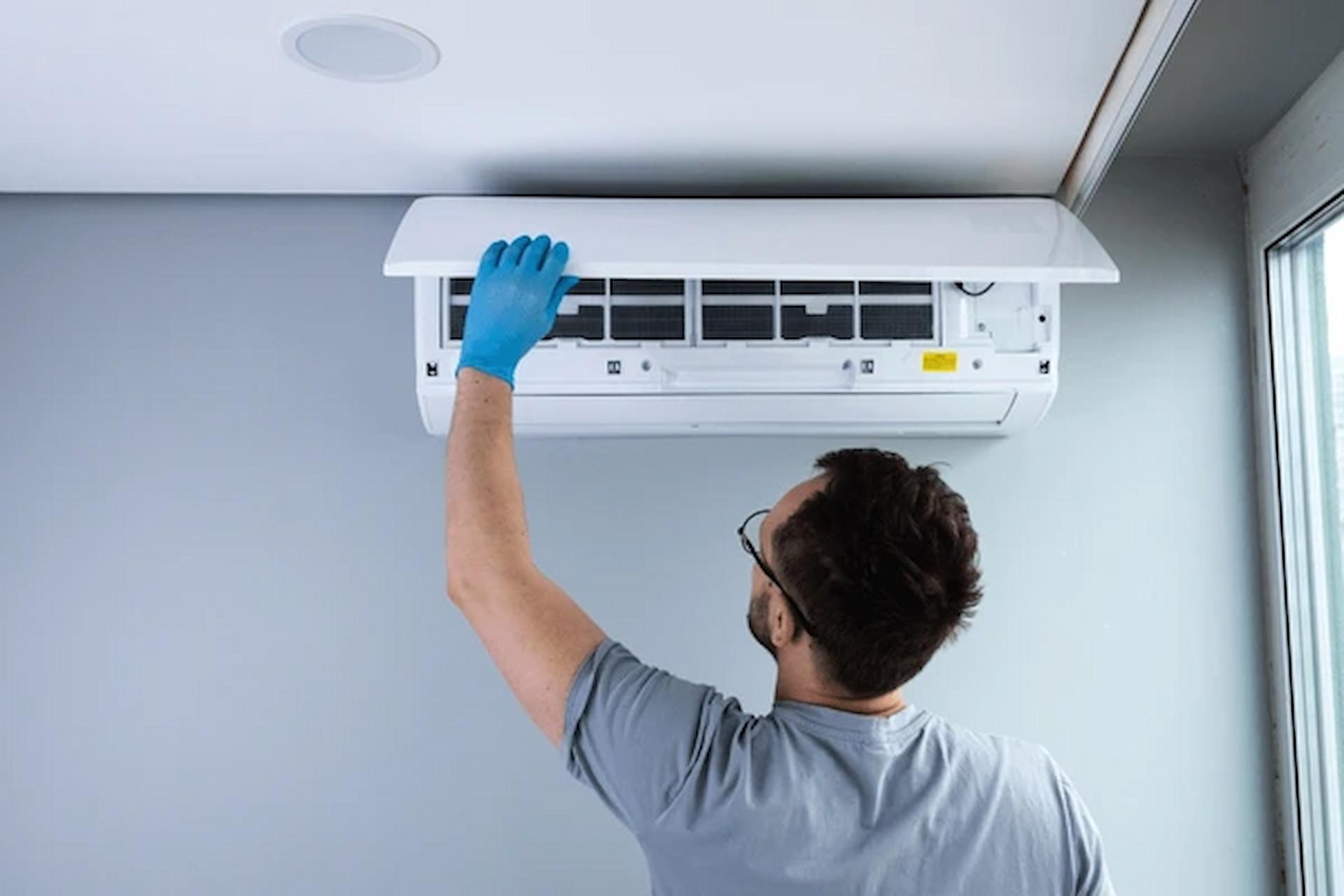
Seasonal tune-ups help identify these problems early. Professional technicians inspect the system, clean essential components, and make adjustments that support smooth operation. This preventative approach reduces strain on the unit and lowers the likelihood of emergency repairs.
Routine servicing also helps systems maintain their original efficiency levels. According to energy industry estimates, neglected air conditioning systems can lose efficiency gradually due to dirt build-up, blocked airflow, and worn components. Even small issues can increase energy consumption over time.
Common Problems Prevented by Seasonal Tune-Ups
Many costly HVAC repairs begin as relatively minor issues. Without regular maintenance, these small faults may go unnoticed until they create significant damage within the system.
Seasonal inspections commonly help prevent:
- Dirty or blocked air filters restricting airflow
- Refrigerant leaks reducing cooling performance
- Frozen evaporator coils
- Electrical connection failures
- Thermostat calibration issues
- Drainage blockages causing moisture problems
- Worn belts and moving components
Addressing these concerns early helps protect the entire HVAC system from unnecessary stress. In many cases, preventative servicing costs far less than major repairs or complete system replacement.
Improved Energy Efficiency and Lower Running Costs
Energy efficiency remains one of the biggest reasons homeowners schedule seasonal HVAC maintenance. When an air conditioning system operates efficiently, it uses less electricity to maintain comfortable temperatures. This can significantly reduce monthly utility bills during peak cooling seasons.
Dust accumulation, clogged filters, and poorly maintained components force HVAC systems to work harder than necessary. This added strain increases energy use while placing more pressure on key mechanical parts.
During a seasonal tune-up, technicians clean and optimise system performance to improve airflow and cooling efficiency. Experienced AC repair experts can also identify ageing parts that may be affecting overall system performance without homeowners realising it.
Many homeowners notice that properly maintained systems cool rooms faster and maintain more stable temperatures. This not only improves comfort but also reduces unnecessary energy waste throughout the home.
Extending the Lifespan of Your HVAC System
Replacing a full HVAC system can be a major investment. Regular maintenance helps homeowners protect that investment by extending the lifespan of their equipment.
Most HVAC systems are designed to last many years when properly maintained. However, neglected systems often experience faster wear due to overheating, airflow restrictions, or mechanical strain. Small problems left unresolved can gradually damage larger components such as compressors or motors.
Seasonal tune-ups help systems operate within safe performance levels. Lubricating moving parts, checking refrigerant levels, tightening electrical connections, and cleaning coils all contribute to reducing long-term stress on the equipment.
Homeowners who schedule regular maintenance are often able to delay expensive replacement costs while keeping their systems operating more reliably over time.
Better Indoor Air Quality for Healthier Living
HVAC systems influence more than just indoor temperature. They also affect air quality throughout the home. Dust, pollen, Mold spores, and other airborne particles can circulate through dirty systems if maintenance is ignored.
This becomes particularly important for households with allergies, asthma, or respiratory sensitivities. Poor airflow and dirty filters may contribute to discomfort and reduced indoor air quality.
Seasonal servicing helps maintain cleaner airflow by replacing or cleaning filters and inspecting ventilation components. Technicians may also identify moisture issues that could encourage Mold growth within the system.
A well-maintained HVAC system supports a fresher, healthier indoor environment while improving overall comfort levels throughout the property.
The Best Times to Schedule HVAC Tune-Ups
Most HVAC professionals recommend scheduling maintenance twice each year. Spring is typically the ideal time to service air conditioning systems before summer temperatures arrive, while autumn is suitable for heating system inspections.
Scheduling maintenance before peak usage seasons offers several advantages:
- Improved system reliability during heavy demand
- Reduced risk of emergency breakdowns
- Better cooling performance during extreme temperatures
- More efficient energy use throughout the season
- Time to address repairs before problems worsen
Waiting until a system fails often leads to longer repair delays, especially during busy summer periods when HVAC companies receive higher service demand.
Signs Your HVAC System May Need Immediate Attention
Even with regular maintenance, homeowners should remain aware of warning signs that indicate potential HVAC problems. Early action can help prevent larger repairs and protect the system from additional damage.
Some common signs include unusual noises, weak airflow, inconsistent temperatures, rising energy bills, or unpleasant smells coming from vents. Systems that frequently switch on and off may also indicate thermostat or airflow issues.
Water leaks around indoor units should never be ignored, as they may point to blocked drainage lines or frozen components. In some cases, reduced cooling performance may signal refrigerant problems that require professional attention.
If any of these issues appear, professional inspection is recommended before the problem becomes more serious.
Conclusion
Seasonal HVAC tune-ups are one of the most effective ways to protect heating and cooling systems from avoidable wear, breakdowns, and costly repairs. Regular maintenance improves energy efficiency, supports healthier indoor air quality, and helps systems perform more reliably throughout the year.
Professional servicing also allows homeowners to identify small problems before they develop into major mechanical failures. By investing in preventative care, homeowners can extend equipment lifespan, reduce monthly operating costs, and maintain greater indoor comfort in every season.
Rather than waiting for problems to appear during periods of heavy use, scheduling regular inspections ensures HVAC systems remain prepared for changing weather conditions while operating at their best.